Top 15 Influencer Marketing Trends To Follow This Year
3.13 2026
Influencer marketing is not slowing down; it is evolving at breakneck speed. From the rise of micro-influencers and B2B creators to the shift toward performance-based compensation and AI-driven matching, the rules of engagement have changed. Brands that succeed in 2026 are moving away from vanity metrics and toward long-term, authentic partnerships that live across multiple platforms and owned communities.
Micro and nano-influencers take centre stage
The mega-influencer era is fading. Around 25% of marketers have already shifted budget from macro to micro-creators, and for good reason: smaller audiences trust their creators more, engage at higher rates, and convert better.
A creator with 10,000 loyal followers in your niche will outperform a celebrity with a million passive ones more often than most brands want to admit.
Performance metrics replace vanity metrics
Likes and impressions are losing their grip on influencer budgets. Brands are now holding creator campaigns to the same standards as paid media: customer acquisition cost, average order value, and real ROI.
During Cyber Week 2025, influencer-driven spend jumped 51% year on year while commission costs stayed flat. That is proof the measurement infrastructure is finally catching up.
Long-term partnerships over one-off posts
A single sponsored post from a creator who has never mentioned your brand before is immediately readable as an ad. Long-term collaborations, where creators weave a brand into their content over months, build something far more valuable: credibility.
Audiences notice consistency, and consistent creators convert far better than occasional ones.
Social commerce and live events surge
Instagram Shops, TikTok Shopping, and shoppable livestreams are compressing the journey from discovery to checkout into a matter of seconds. Brands that have connected their creator programmes to direct purchase flows are seeing conversion rates that traditional media cannot match.
Live commerce combines entertainment, real-time product demos, and limited-time scarcity into a format that drives urgency like nothing else. TikTok Live is leading the charge, and QVC-style selling has found its Gen Z audience.
Short-form video and AI-driven matching
TikTok, Instagram Reels, and YouTube Shorts remain dominant. With TikTok now at 1.6 billion monthly users, short-form content is where attention lives. The best-performing creator videos grab interest within the first two seconds.
Supporting this is a more sophisticated AI infrastructure. Nearly 97% of brands use AI in some capacity, but the leaders use it for precision matching and predictive payouts rather than just content generation.
Authenticity and the 'Deinfluencing' movement
Audiences have become sharply attuned to inauthentic endorsements. Nearly 85% of followers say they would unfollow a creator who starts to feel fake. The deinfluencing trend, where creators openly say what they do not recommend, is a direct response to years of over-promotion.
Brands that encourage honest, nuanced creator content are building more durable trust than those demanding scripted positivity.
The B2B and Owned Community shift
LinkedIn has quietly become one of the fastest-growing creator platforms. Expertise-first content is driving purchases where trust and credibility are the primary drivers. Simultaneously, savvy creators are building owned communities on Substack, Discord, and Patreon to protect themselves from algorithm changes.
The most resilient programs diversify across platforms and utilize scalable infrastructure—unified databases and automated workflows—to manage dozens of creator relationships without losing quality. Finally, sustainability and values alignment have become non-negotiable; audiences now expect a values audit as part of the creator selection process.
Related News
AI-Will-Not-Replace-Graphic-Designers-It-Will-Redefine-The-Profession
Every few months, a new headline drops: “AI can now design logos in seconds.” The fear is real, but so is the misunderstanding behind it.

The Cure For The AI Hype Hangover
Two years ago it felt like every company on earth was launching an AI pilot. Today the conversation has shifted from excitement to reflection as organizations try to understand what actually delivered value.
Digital Marketing in 2026: Stop Chasing Tactics and Start Building Strategy
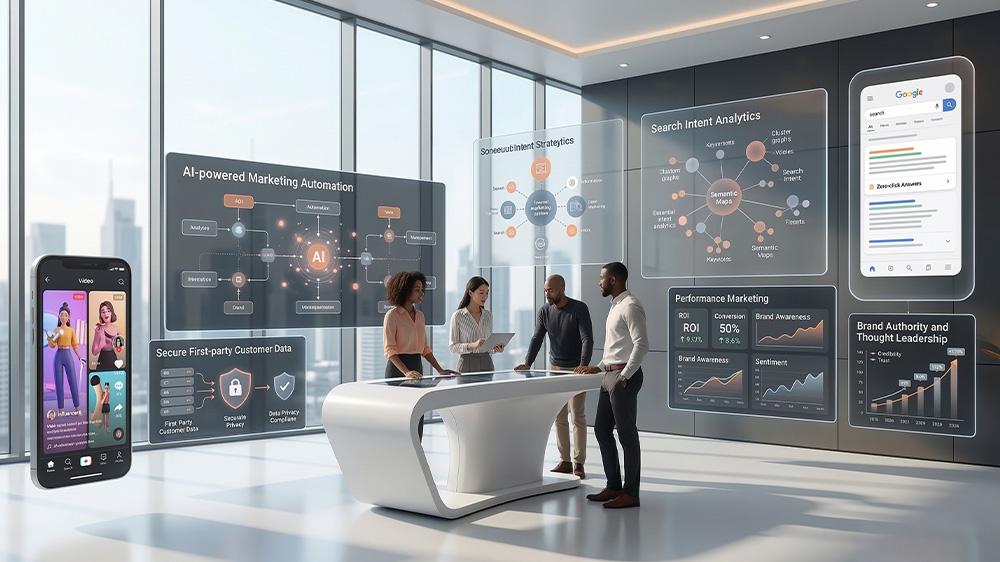
If 2025 was the year businesses experimented with digital marketing tools, 2026 is the year those experiments need to start delivering real results.